

Beberlis

Slow fashion

Slow fashion or ethical fashion is a growing trend

At a time when fast fashion dominates our lifestyles, with garments at very affordable prices, and the shift from traditional seasons to constantly updated designs, it leads to impulsive consumerism.


This leads to low quality garments, which wear out after a few wears, and excessive waste, which is creating health problems in many parts of the world.


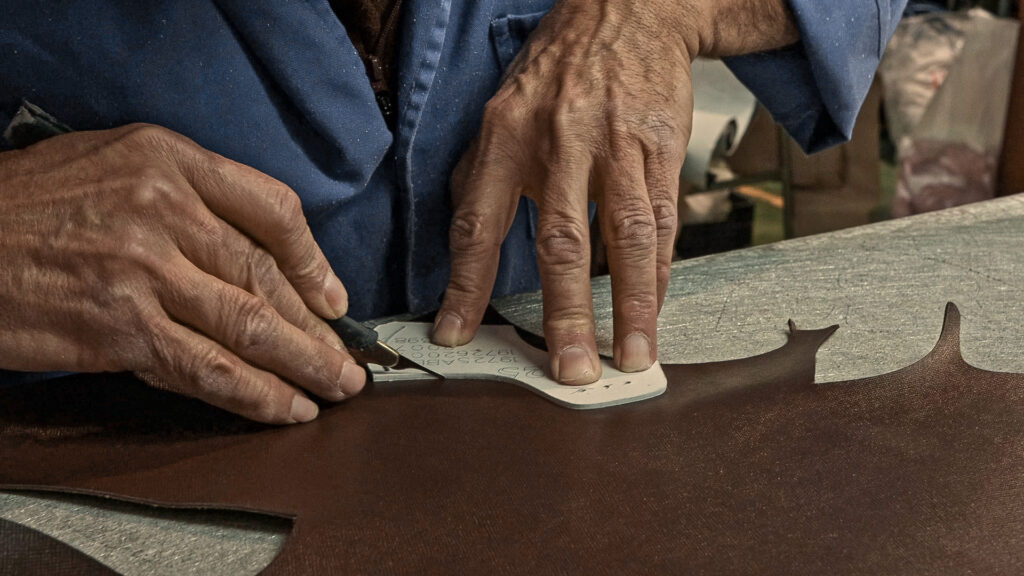
In contrast to this model of life, we advocate slow fashion, this way of thinking and working promotes a conscious and sustainable production and consumption, betting on quality and respect for the environment and for the workers in the shoe industry.

What is Slow Fashion?

Slow fashion is a concept that seeks to curb impulsive clothing consumption and replace it with more responsible purchasing decisions. Unlike fast fashion, which is based on mass production and the constant renewal of collections, slow fashion focuses on the creation of durable, high quality and ethically manufactured garments.

The movement advocates the use of sustainable materials, responsible production processes and fair working conditions. It also encourages the reuse, recycling and repair of garments to extend their useful life.

Benefits of Slow Fashion

  1. Reduced environmental impact: Mass production of clothing generates tons of textile waste and huge consumption of water and natural resources. Opting for sustainable garments helps to reduce this ecological footprint.
  2. Higher quality and durability: Slow fashion brands opt for materials and manufacturing techniques that guarantee a longer useful life for each garment, not always using organic materials, but always looking for the highest quality so that the materials are more durable and generate less waste.
  3. Decent working conditions: Many fast fashion factories operate under sweatshop conditions. Slow fashion supports ethical production and fair pay for workers.
  4. Timeless style: Instead of following fleeting trends, slow fashion prioritises classic and versatile designs, avoiding the need to constantly renew the wardrobe.
Slow fashion

How to incorporate into your life?

Adopting this lifestyle does not mean giving up buying clothes, but doing it in a more conscious way. Here are some tips on how to join the slow fashion movement:

  • Buy less, but better: Invest in quality clothes that you can wear for years to come.
  • Research brands: Make sure the brands you buy from have sustainable and ethical practices.
  • Choose quality, durable materials: Although organic is often associated with eco-friendly, it is not always the most sustainable option. Today, some products, such as the soles of trainers, cannot be made from 100% organic materials. Rather than focusing solely on organic, conscious shopping means opting for durable, hard-wearing materials that extend the life of garments, thereby reducing waste generation.
  • Reuse and repair: Before getting rid of a garment, consider mending, selling or repurposing it.
  • Opt for second-hand fashion: Vintage shops and second-hand clothing markets offer sustainable and unique alternatives.

Aplicantion in Europe

Europe has been one of the pioneering regions in the adoption of slow fashion. Countries such as Germany, France and the Netherlands have pushed for regulations that promote sustainability in the textile industry. In cities such as Copenhagen and Stockholm, sustainable fashion brands are booming, promoting the use of recycled materials and ethical production processes.

In addition, the European Union, and Spain as a member of it, has implemented strategies to reduce the environmental impact of fashion, such as the Circular Economy Act, which aims to reduce textile waste and improve the traceability of garments. Thanks to these efforts, is becoming a reference model for global fashion.

Slow fashion is not just a trend, but a necessary change in the way we consume fashion. By choosing quality over quantity, we are contributing to a more sustainable, ethical world and adding value to your outfit. Every small step counts to build a more conscious future in the fashion industry.