

Beberlis

Types of shoe polish

What are the different types of shoe polish?

Proper leather shoe care is essential to extend the lifespan of your footwear and keep them looking like new. In this comprehensive guide to shoe polish for leather, you’ll learn about the types of shoe polish, how each one protects against moisture and cracks, and exactly how to apply shoe polish for a flawless, high-gloss finish on every leather type.

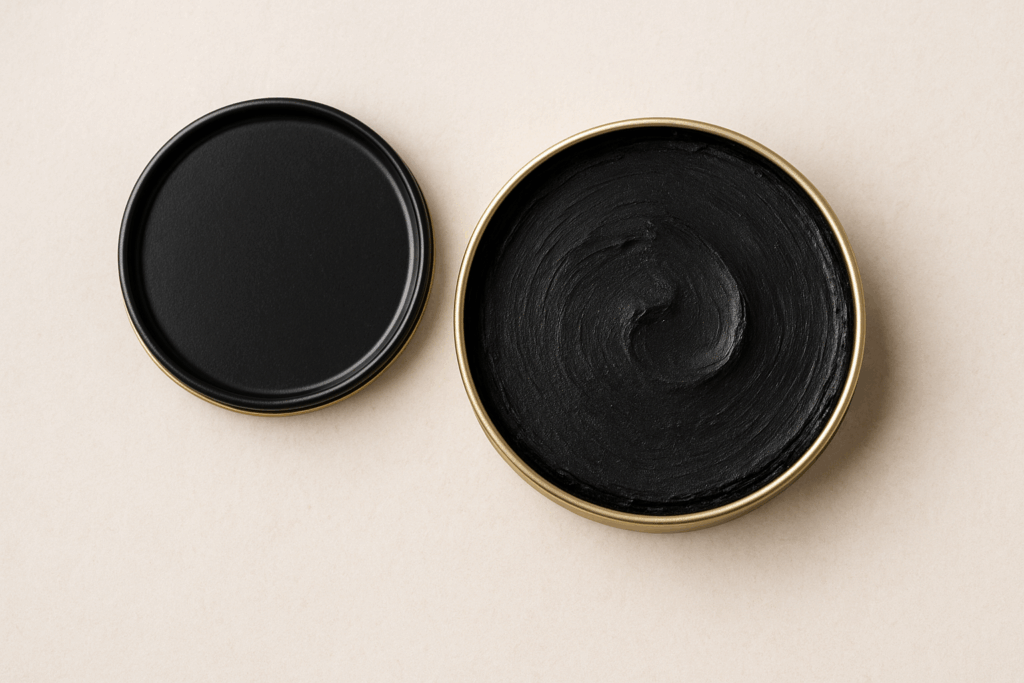
Wax Polish (Solid Wax)

This traditional solid wax polish is a leather shoe care must-have, delivering unbeatable gloss and long-lasting protection. Ideal for maintaining full-grain and corrected-grain leather, wax polish locks in hydration, repels moisture and dirt, and helps prevent scuffs and cracks.

Characteristics

  • Composition: Base of waxes (beeswax, carnauba) and oils.

  • Finish: High gloss (especially after good buffing).

  • Protection: Excellent barrier against moisture and dirt.

Advantages

  • Intense shine
  • Great waterproofing protection
  • High durability

Disadvantages

  • Can slightly darken the hue
  • Less penetration into deep leather
  • Can build up if over-applied
  • Full-grain smooth leather: Brings out deep shine and protects without harm.

  • Polished or corrected-grain leather: Holds the wax layer well and doesn’t alter texture.

  • Pull-up or oil-pull-up leather: High wax concentration can “mute” that vintage oil-washed effect.

  • Exotic leathers (reptile, crocodile, etc.): Heavy wax application and buffing can accentuate cracks and dry out scales.

  • Suede and nubuck: Clogs pores and leaves dark spots.

Cream Polish (Emulsion)

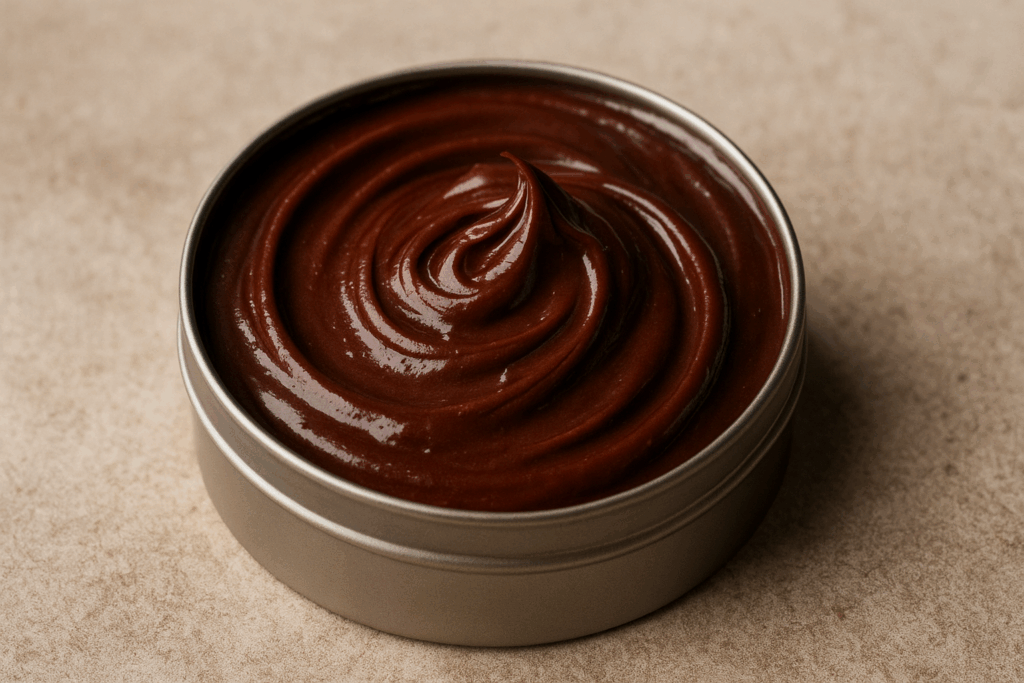
Cream Polish

Cream polish is manufactured by finely dispersing soft waxes and conditioning oils into a stable emulsion, then infusing the blend with ultra-fine color pigments. During production, the waxes and oils are gently heated and mixed under high shear to achieve a smooth, spreadable consistency. Once cooled, these emulsions lock in moisture and colorants, allowing the polish to penetrate deeper into the leather than solid waxes.

Unlike wax polish, which sits predominantly on the surface to build up a high-gloss barrier, cream polish seeps into the grain, restoring hydration, subtly enriching the hue, and leaving a more natural, satin-matte finish without the risk of over-building layers.

Characteristics

  • Composition: Blend of soft waxes, oils, and fine pigments.

  • Finish: Moderate shine and natural look.

  • Coloration: Reinforces and evens out leather color.

Advantages

  • Deeply moisturizes
  • Easy to apply
  • Ideal to restore faded tones

Disadvantages

  • Less shine than solid wax
  • Less intense protection
  • Requires more frequent reapplication
  • Smooth and corrected-grain leather: Deep hydration and regular upkeep.
  • Pull-up leather: Strengthens color without losing its “vintage” pull-up effect.
  • Synthetic or two-tone leather: Evens out shades without excess gloss.
  • Delicate exotic leathers: Pigments can settle in crevices.
  • Patent (patent leather): Doesn’t add shine, can leave residue; better to use dedicated cleaners.
  • Suede and nubuck: Spots and fiber matting.

Liquid Polish

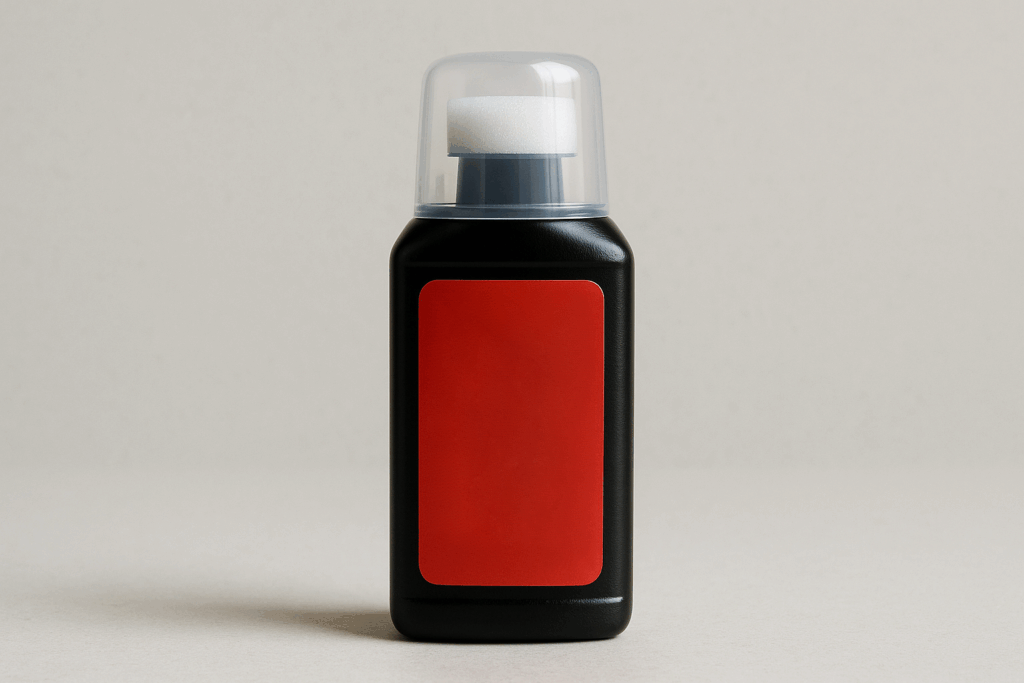
Liquid Polish

Liquid shoe polish is the ultimate solution for those seeking a quick shoe shine and effortless liquid leather polish application. Packaged in a convenient bottle with a built-in sponge applicator, this formula combines light solvents, waxes, and dyes to deliver an instant glossy finish, perfect for fast touch-ups and travel kits. Its fast-drying properties make it ideal for maintaining a high-shine look without the need for brushes or extra tools.

Characteristics

  • Composition: Light solvents, waxes, and dissolved dyes.

  • Format: Bottle with applicator “sponge.”

  • Finish: Quick, even shine but more “plastic-looking.”

Advantages

  • Very quick and clean application
  • Perfect for on-the-go touch-ups
  • No brush or special cloth needed

Disadvantages

  • Shorter-lasting shine
  • Can dry out leather over time
  • Less natural finish
  • Everyday smooth leather: Fast, uniform touch-ups.
  • Synthetic leather: Easy application without damage.
  • Pull-up and vegetable-tanned leather: Aggressive solvents can dry and crack the surface.
  • Exotic and patent leathers: Plastic film looks artificial and can flake.
  • Suede and nubuck: Instantly stains.

Waterproofing Spray & Conditioner

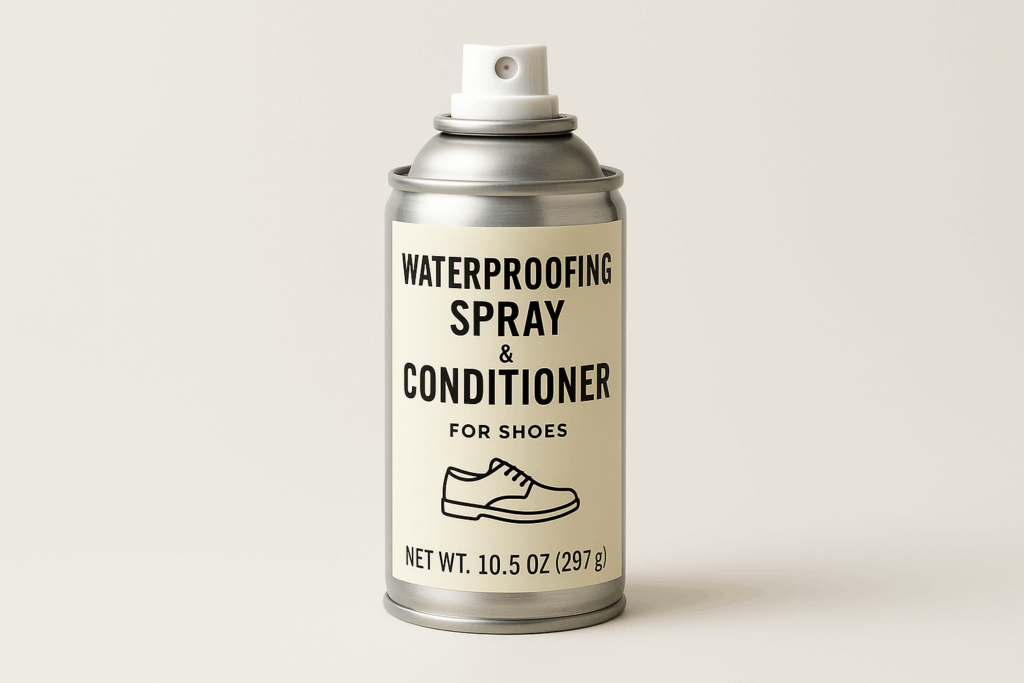
Waterpoofing spray for shoes

Although technically not a shoe polish, waterproofing spray for leather has become an essential addition to the modern shoe care products lineup. Originally developed for outdoor gear and technical fabrics, these sprays leverage advanced hydrophobic polymers, like silicone or fluorocarbon-based fluoropolymers, to create an invisible barrier against moisture. During manufacturing, the active polymer is emulsified in a water or solvent carrier along with mild leather conditioners and propellants. This process yields a fine mist that penetrate leather pores and textile fibers to repel water and stains without altering the shoe’s appearance.

Characteristics

  • Main function: Repels water and stains.
  • Supplemental: Does not add significant shine.

Advantages

  • Immediate rain protection
  • Easy to apply
  • Suitable for fabrics and suede

Disadvantages

  • Does not enhance leather’s appearance
  • Less moisturizing than creams
  • Can leave white residue if misused
  • Suede, nubuck, and technical textiles: Boosts water repellency without matting fibers.

  • Waxed leather and Cordovan: Protects wax finish without altering its patina.

  • Very thin or perforated leather: May leave white film and clog perforations.

  • Matte-finished exotics: Adds artificial shine and alters original look.

Natural Oils & Conditioners

Natural oils for shoes

Natural oils and conditioners are a cornerstone of deep leather care, offering unmatched hydration and nourishment compared to surface-level polishes. Formulated from natural fats and butters, these oils penetrate the leather’s fibers to restore suppleness, prevent cracking, and develop a rich, long-lasting patina. Ideal as a leather conditioner oil in your shoe care routine, they rejuvenate vegetable-tanned hides, exotic skins, and well-worn footwear by replenishing essential lipids and safeguarding against environmental damage, without leaving a glossy film.

Common types

  • Neatsfoot oil (beef tallow): Highly nourishing, it soaks deep into dry leather to restore flexibility.
  • Mink oil: Excellent for reviving parched hides; imparts a soft, supple feel.
  • Shea or murumuru butter: Provides intense, long-lasting moisture and protection against wear.

Advantages

  • Deep penetration
  • Intense leather nourishment
  • Very natural feel

Disadvantages

  • Little shine
  • Can slightly darken the hue
  • Requires long drying time and buffing
  • Vegetable-tanned and pull-up leather: Deep nourishment that enhances grain and natural patina.
  • Dry or cracked leather: Restores flexibility and prevents future splits.
  • Dark pigment-coated leather: Excess oil can stain or leave lighter spots.
  • Suede, nubuck, and patent leather: Too much penetration or unwanted greasy sheen.

Comparison by Leather Type

Smooth leather

Recommended Polish

Wax polis + cream polish

Application Frequency

Monthly

Recommended Polish

Hydrating cream (oil-pull-up)

Application frecuency

Every 2-3 months

Recommended Polish

Waterproofing spray + brushing

We have specific recomendations for this leather in our article about proper maintenance of suede shoes

Application Frequency

Every 1-2 months

Recommended Polish

Mid oils + very soft cloth

Application Frequency

Every 3 months